In the inaugural episode of the Mabaphil’ABANTU podcast, Dinga Sikwebu, Sindisa Monakali, and Yolanda “Bunny” Sewela share their reflections on activism and community building. Mabaphil’ABANTU serves as a movement space that fosters connections among activists and abantu, drawing insights from their personal journeys toward justice.
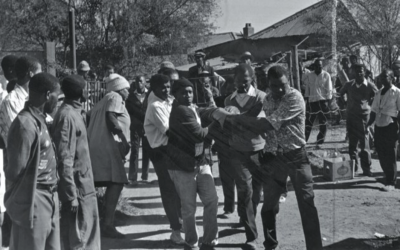
Xenophobia
From xenophobia to authoritarian politics
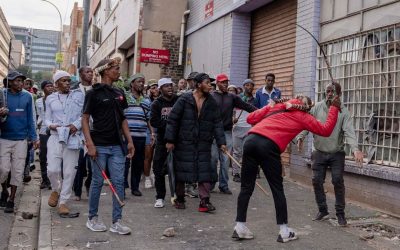
South Africa’s xenophobic infrastructure, which is rooted in the country’s history of exclusion, is driven by anti-Black racism.
Anti-fascist internationalism from below: lessons from Porto Alegre
Madoda Cuphe, reflects on an anti-fascist conference held in Porto Alegre, Brazil earlier this year. The gathering convened grassroots movements, trade unions, and socialist organisations to discuss the global rise of the far-right and neo-fascist movements.
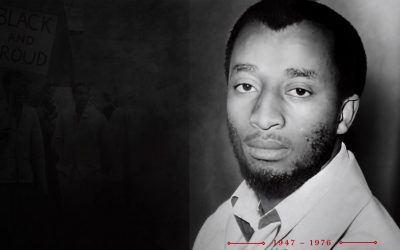
Resisting Erasure: A 50-Year Tribute to Cde Mapetla Mohapi
Mapetla Mohapi was the first person to be detained under Section 6 of the Terrorism Act.
Lessons of 1976: ‘Be united to face the common enemy’
The current wave of anti-immigrant violence, led and supported by right-wing and ethno-nationalist groups, stands in sharp contrast to the emancipatory politics of the 1976 generation.
Understanding the rise of Afrophobia in South Africa — and how we resist it
Afrophobia is rooted in exclusionary ideas of citizenship and belonging that were shaped by colonialism and reproduced by postcolonial states.
The 1976 uprising and its enduring significance
The youth of 1976 broke the climate of fear that had subdued older generations and placed a premium on collective learning and shared leadership.
JOINT PRESS STATEMENT: Statement of outrage against the weaponisation of xenophobia and the brutal and unlawful treatment of migrants, including refugees and asylum seekers
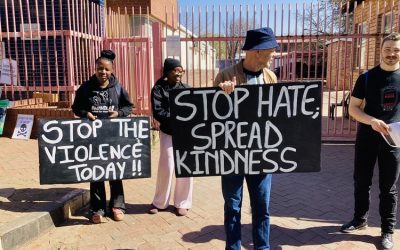
Various organisations and individuals have condemned the aggressive approach of state officials towards the safety of migrants, including refugees and asylum seekers, amid rising anti-migrant rhetoric and vigilantism in South Africa.
State of the working class and its movements
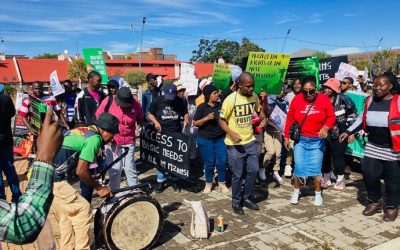
Building a political organisation requires addressing the urgent needs of the working poor and their communities while ensuring their protection, welfare, and dignity.