The current wave of anti-immigrant violence, led and supported by right-wing and ethno-nationalist groups, stands in sharp contrast to the emancipatory politics of the 1976 generation.
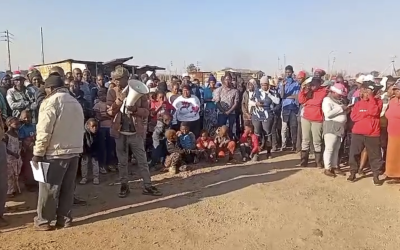
Lessons of 1976: ‘Be united to face the common enemy’
read more



Amandla! is free here, but we welcome donations.

The current wave of anti-immigrant violence, led and supported by right-wing and ethno-nationalist groups, stands in sharp contrast to the emancipatory politics of the 1976 generation.
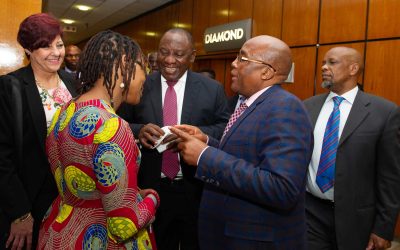
Access to healthcare is highly inequitable; only 14.6% of the population is covered by medical aid, yet those individuals still face significant out-of-pocket costs, while the majority of the population suffers from a crumbling and inefficient system.
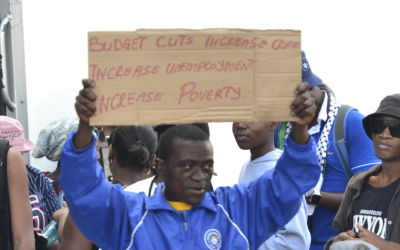
The government must acknowledge the severe unemployment crisis we’re facing and declare it a national emergency.
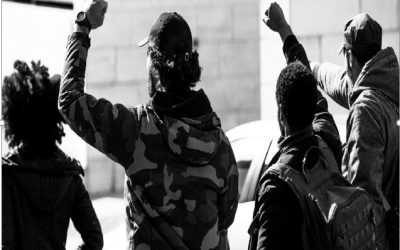
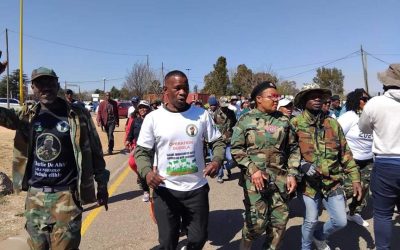
Various organisations and individuals have condemned the aggressive approach of state officials towards the safety of migrants, including refugees and asylum seekers, amid rising anti-migrant rhetoric and vigilantism in South Africa.
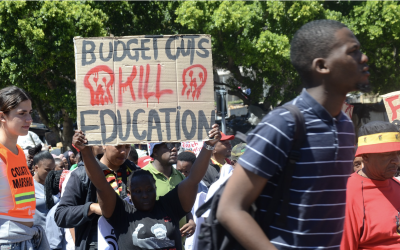
The government’s political choices are weakening public schools and creating space for private actors to step in. This has concerning implications for equity and democratic control.
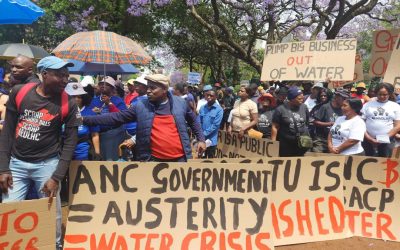
In the world’s most unequal city, in one of the world’s most unequal countries, a water policy that ignores inequality is not neutral. It is harmful.
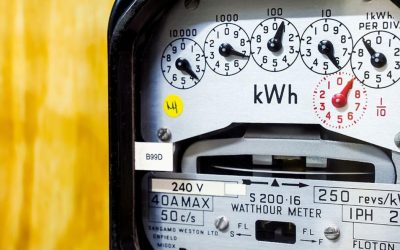
Universal access to electricity is essential for equitable development but physical access alone doesn’t deliver comprehensive development benefits.
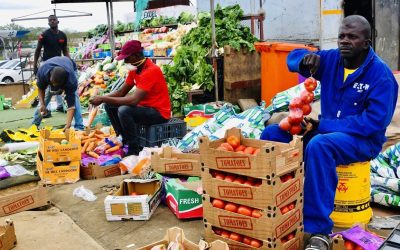
South Africa doesn’t have a “statistical-error” unemployment crisis; it has a jobs crisis.
Problems in public healthcare are the result of budget cuts and staff shortages rather than migrant presence.