

South Africa is facing one of its most pressing crises: water scarcity. From the Nelson Mandela Bay Water Crisis to the unfolding water shortages in Johannesburg and Komani, millions of South Africans are bearing the brunt of a crisis that seems to be getting worse with each passing day. Yet, one central player is conspicuously absent from public discourse—the Water Boards.
The role of Water Boards in South Africa’s water system has long been clouded in ambiguity and mismanagement. They are supposed to ensure that water is supplied efficiently and equitably to communities, playing a pivotal role in managing the country’s water resources. Instead, these institutions, tasked with protecting one of our most vital resources, have repeatedly failed to deliver. This has resulted in widespread shortages that exacerbate social inequalities and put an unbearable strain on the working class.
The rise of Water Boards and their expanding influence
The history of South Africa’s Water Boards goes hand-in-hand with the financialisation of water. Once government entities designed to handle water management across regions, Water Boards have increasingly adopted a more privatised approach. This has led to the corporatisation of water, where access to this basic human need is seen as a commodity to be bought and sold, rather than a right. In recent years, the business-driven priorities of Water Boards have made the poor and working-class communities more vulnerable. While the elite and wealthier sectors can afford to buy water or have reliable access to it, poorer households bear the brunt of these board’s inefficiencies and neglect. Water, instead of being a public service, has become an increasingly expensive service, leaving those at the bottom of the social ladder to fight for basic survival.
In regions like Nelson Mandela Bay, where supply systems are collapsing, Water Boards have done little to address the root causes. This failure stems from mismanagement, lack of investment, and, at times, outright corruption within these institutions. The reality is clear: they’re more interested in balancing budgets and appeasing financial stakeholders than ensuring equitable access to water for all.
From Nelson Mandela Bay to Joburg and Komani: a pattern of neglect
The water crisis in Nelson Mandela Bay was a harsh wake-up call. However, rather than spurring meaningful action and reform, it has instead exposed the persistent and systemic problems within Water Boards across the country. The water crisis in Johannesburg, one of South Africa’s largest and most economically important cities, is a case in point. Despite the significant financial resources at the disposal of the city’s Water Board, Johannesburg residents are still left with rationed, unreliable access to water. In Komani (Queenstown), a smaller town, water shortages have been compounded by infrastructure failures, poor maintenance, and, most disturbingly, neglect from Water Boards entrusted with oversight and resource management.
These examples show a clear pattern: inadequate investment in infrastructure, delayed maintenance, poor planning, and an absence of accountability.
Water Boards are playing a dangerous game of brinkmanship, prioritising financial stability over long-term water sustainability. Communities are left stranded, and working-class families are subjected to the daily indignity of water scarcity, facing health risks, loss of livelihood, and a declining quality of life.
The financialisation of water: how Water Boards perpetuate inequality
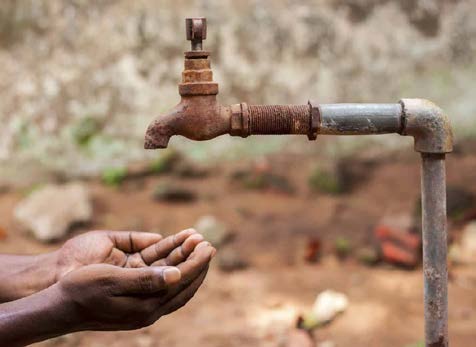
Water, instead of being a public service, has become an increasingly expensive service, leaving those at the bottom of the social ladder to fight for basic survival.
Perhaps the most insidious aspect of the Water Boards’ failure is their role in the financialisation of South Africa’s water system. The trend of viewing water as an asset to generate revenue, rather than a fundamental right, has created a system that benefits private interests while worsening the plight of the poor. Water Boards have become increasingly entangled in this business-driven approach, prioritising their own financial survival over public service.
This is evident in how tariffs are structured. Water rates are rising in many regions, pricing out large segments of the population. Those who can’t afford these rates face disconnections, and a deepening cycle of poverty is further entrenched. The financialisation of water doesn’t just make water more expensive—it shifts the burden of a national resource into the hands of a few, while the majority struggle to pay for what should be theirs by right.
Accountability and transparency: where are the calls for reform?
It is time for South Africans to ask the difficult questions: why are we not holding Water Boards accountable for their failures? Why is the national conversation about the water crisis ignoring these institutions and their role in exacerbating the situation? And, perhaps most importantly, why are these Boards still allowed to operate with impunity when it is clear they are failing the very people they were meant to serve?
Water Boards must be restructured to ensure they are aligned with the public good. The focus needs to be on accountability, transparency, and a commitment to sustainability over profit.
More investment is needed in infrastructure and technology, particularly in rural and underdeveloped areas. Additionally, there must be a concerted effort to reduce the financial burden on the working class, through subsidies, progressive tariffs, and mechanisms to address historic inequalities in water access.
The path forward: a people’s water system
To tackle the water crisis head-on, we need a radical shift in the way water is managed in South Africa. The financialisation of water must end, and we must return to a system where water is managed as a shared, public resource. This would require a reimagining of the role of Water Boards—transforming them from profit-driven institutions into truly accountable entities that prioritise access to water for all, not just the wealthy few. At the heart of this reform is the recognition that water is not just an economic commodity but a fundamental human right. Until Water Boards are held accountable, and until we take back control of our water resources from private interests, the people of South Africa will continue to suffer. The working class can no longer afford to wait while Water Boards fail them. If South Africa is to overcome this crisis, it’s time to put the people—not profit—back at the centre of our water system.
Siyabulela Mama is the Organiser at the Nelson Mandela Bay Water Crisis Committee and Spokesperson for the Assembly of the Unemployed. He is also a member of Amandla! Collective.