Addressing the deep socio-economic crises in South Africa requires moving beyond divisive politics and xenophobia, and towards an alternative path rooted in empathetic listening and understanding.
Xenophobia
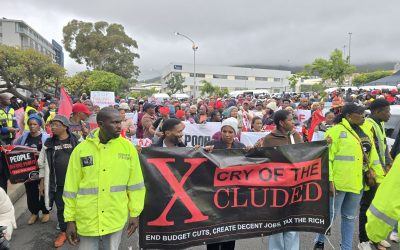
Cry of the Xcluded: Building a movement of movements for a different South Africa
The Cry of the Xcluded is becoming a movement of movements capable of turning the anger of the excluded into organised collective power for a different South Africa.
Enter the mob, stage right
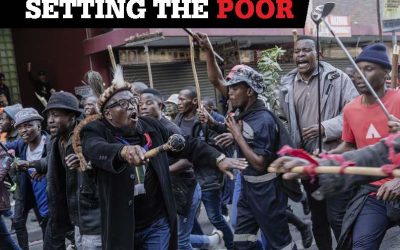
South Africa’s deepening socio-political crisis and institutional decay have driven political actors across the spectrum to systematically exploit and normalise xenophobia, deflecting public anger toward vulnerable migrants.
The fear of being different is always there
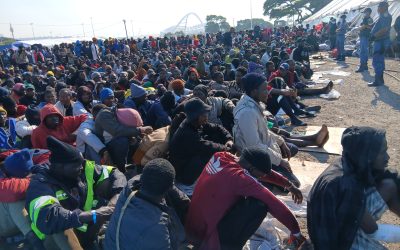
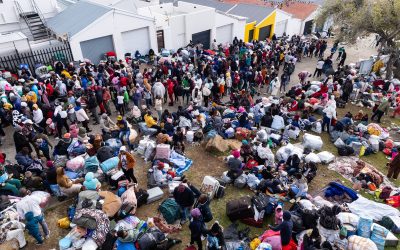
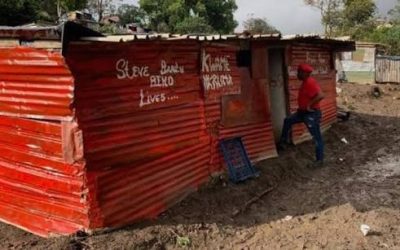
Zamzam Hirsi recounts coming to South Africa as a Somali refugee, founding the Filanwaa Refugee Women’s Association, and the documentation problems, exclusion and fear faced by migrant women and their children.
When fear of unintended consequences costs humanity
When fear of consequences prevents us from responding to human suffering, we risk creating consequences far worse than those we were trying to avoid.
The reason you are poor is not another poor person
Amandla! talked to Thapelo Mohapi, General Secretary of Abahlali baseMjondolo, about the stand they have consistently taken against xenophobia.
When extortion outgrows xenophobia: the mothers and the cost of a system that has failed its people
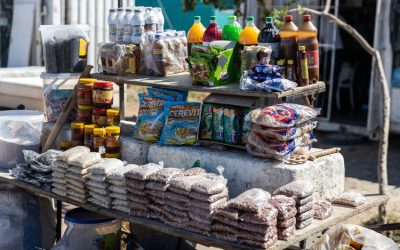
Protection-fee extortion on the Cape Flats is spiralling out of control, now increasingly affecting local South African traders alongside immigrant-owned businesses.
Beyond the ballot: municipal collapse, the xenophobic right and the case for the Cry of the Xcluded
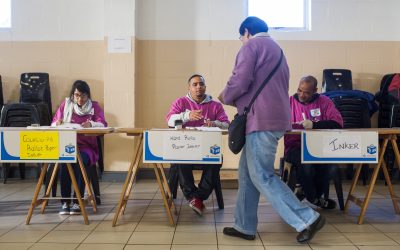
South Africa’s municipal system faces full-blown collapse with over R145bn in irregular spending. Scapegoating migrants won’t fix tender corruption or broken services.
Setting the poor against the poor
With local government elections approaching and anti-migrant mobilisation growing, the central concern of this issue is how anger at poverty, unemployment and collapsing public services is being turned against other poor people. The feature, Setting the poor against the poor, asks how this politics can be defeated.