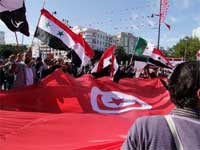
Two years after the revolutionary insurrection that caused the dictator Zine El Abidine Ben Ali to flee Tunisia, the situation in the country remains precarious. In fact, it has deteriorated. The great hope for better living conditions raised by the fall of the...
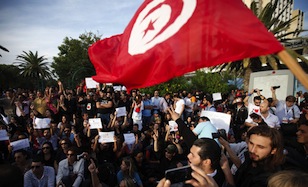
Tunisian
From the World Social Forum to the Arab revolts | by Esther Vivas
Tunisia, cradle of the revolts in the Arab world, hosts from today [26 March] and until Saturday the World Social Forum (WSF), the most important international meeting of social movements and organizations. And this is not by chance. The promoters of the WSF chose...
Democracy Triumphs in Tunisia’s First Free Elections | by Stuart Schaar
Despite attempts to demonise Tunisia’s Al-Nahda, the Islamist party emerged as the most important in the elections held last month. Tunisia, where the Arab spring began, has shown what the ballot box can achieve.The atmosphere was celebratory, almost like being at a...
The Flowering of the Arab Spring: Understanding Tunisia’s election results | by Esam Al-Amin
Now that Tunisia's elections have passed - with just minor incidents - and the Islamist Ennahda party won the largest share of votes, the country waits for the constituent assembly to be formed, and to see what changes will be effected in Tunisian politics. It will...
‘Islamists’ On Probation: Western Reaction To Tunisian Elections | by Ramzy Baroud
Following Tunisia’s first fair and free elections on October 27, the Western media responded with a characteristic sense of fear and alarm. For many, it seemed that the ghost of the Islamic menace was back to haunt ‘Western values’ throughout the Arab world. The...
Revolutionary Challenges in Tunisia and Egypt: Generations in Conflict | by Stuart Schaar
The great Syrian poet, Nizar Qabbani (1923-1998) more than four decades ago called on a new Arab generation to break with their dictatorial, bankrupt, and corrupt leaders and their supporters. Qabbani, from his London exile, hoped that young people would transform the...