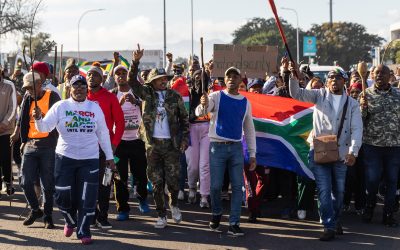
Tracing the historical roots of nationalism from 20th-century Afrikaner ideology and anti-apartheid resistance to today’s digital propaganda, this article exposes how economic precarity under a failing capitalist system feeds right-wing opportunism.
All Articles
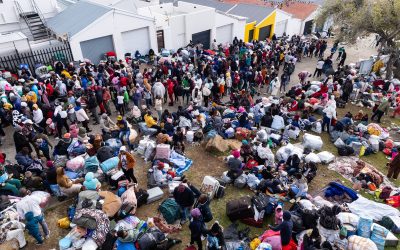
When fear of unintended consequences costs humanity
When fear of consequences prevents us from responding to human suffering, we risk creating consequences far worse than those we were trying to avoid.
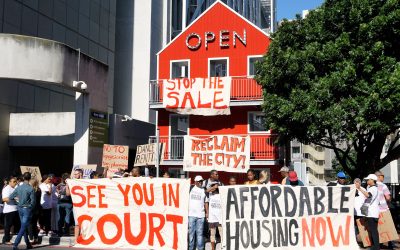
Tafelberg: a fight for the soul of the city
With the Constitutional Court’s ruling now final, Tafelberg remains public land, and a live, ongoing public participation process is underway on its future use.
Case for femicide as a standalone crime in South Africa
The recovery of nine women’s bodies in Ekurhuleni has sharpened a national question: would recognising femicide in law improve investigations, accountability and prevention?
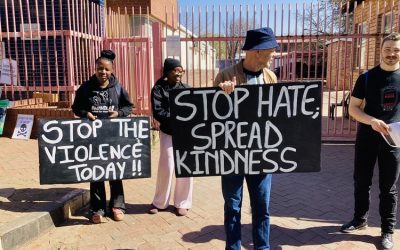
Civil Society Response to Xenophobia
Xenophobia is not impossible to overcome, but it is a long and hard road. The Western Cape Coalition Against Xenophobia (WCC-AX) is taking action by providing legal support, advocating for healthcare, and organising community activations.
When Foreign Workers Lose, South African Workers Don’t Win
Would removing all foreigners without proper papers solve the problem by eradicating the third labour market segment altogether? No, the existence of this third labour market segment has become a structural necessity of the South African economy.
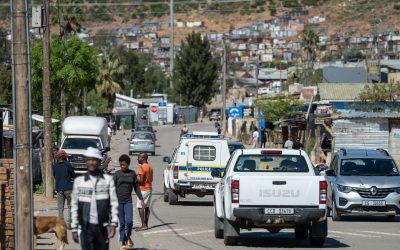
From xenophobia to authoritarian politics
South Africa’s xenophobic infrastructure, which is rooted in the country’s history of exclusion, is driven by anti-Black racism.
South Africa’s National Water Action Plan prioritises solvency over justice
South Africa does not need a more bankable water sector. It needs a public one, capable of delivering water as a right rather than a return.
Resisting Erasure: A 50-Year Tribute to Cde Mapetla Mohapi
Mapetla Mohapi was the first person to be detained under Section 6 of the Terrorism Act.