The collapse of the American financial system that occurred in 2008 has since turned into an economic and political crisis of global dimensions. [1] How should this world-shaking event be conceptualized? Mainstream economics has tended to conceive society as governed...
Growth
Occupy Wall Streeters are right about skewed economic rewards in the United States | by Josh Bivens and Lawrence Mishel
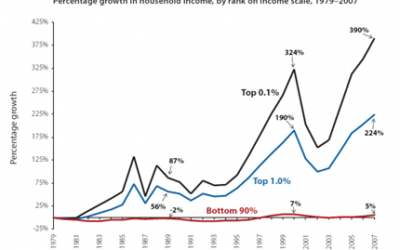
The Occupy Wall Street movement has captured much the nation’s attention with a clear message: A U.S. economy driven by the interests of business and the wealthy has generated increasingly unequal economic outcomes where the top 1 percent did exceptionally well but...
Euro Bailout Failure | by 5 ducats
Have so many ever been so enthusiastic over a plan to beg, borrow, and steal $1.5 trillion? •Beg - Weaker European banks will have to raise over $100 billion in capital. •Borrow - Eurozone will borrow $1.4 trillion to bailout future sovereign and bank defaults. •Steal...
Red Capitalism: The Fragile Financial Foundation of China’s Extraordinary Rise | by Carl E Walter and Fraser JT Howie
Serious capitalist representatives and Marxists often have shared analyses of events. Where they differ is in the diametrically opposed class conclusions that they draw from these. This important book on China illustrates this well. The authors have the advantage of...
Relax: alternative hedonism and a new politics of pleasure | Kate Soper
A predictable consequence of the current recession has been a renewal of interest in the politics of welfare and community values. As they seek to patch up a fresh consensus amidst the fallout from the latest crisis of capitalism, both sides of the party political...
The crisis of our time | by Alex Callinicos
As it has remorselessly unwound, the global economic and financial crisis has passed through a succession of turning points. The first came when the credit crunch began in August 2007. Then there was the collapse of Lehman Brothers in September 2008, precipitating the...
A Marxist Critic on the Keynesian analysis of the economic crisis | by Henri Houben
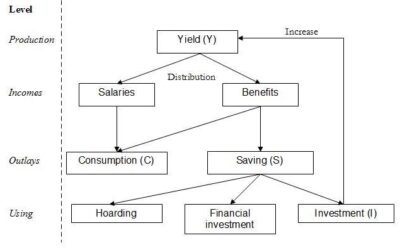
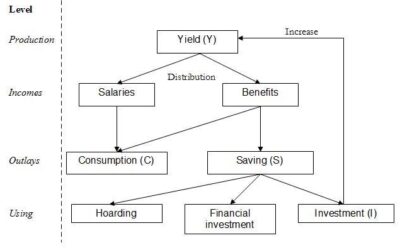
John Maynard Keynes keeps a main influence on the current economic thinking. Even if the neo-liberal movement dominated over the last decades, the Keynesian ideas remain enduring, especially at times of recession. When the subprime mortgage crisis started, it was...
The Costs of the Financial Crisis 2008/09: Governments are Paying the Tab | by Sebastian Dullien
One could almost get the impression that the storyline of the global economic and financial crisis of 2008/9 is forgotten. Questions of bank regulation and financial sector oversight are hardly discussed in public anymore and legislative efforts to rein in speculative...