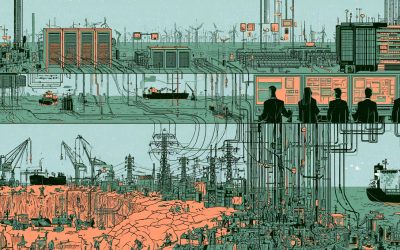
Artificial intelligence is quietly reshaping green industrial policy — energy planning, grid management, critical mineral supply chains — yet almost no one is asking who controls it. This article argues that doing so requires three inseparable questions: what technology is deployed, who governs it, and for what purpose it is used.
Global South
We need an industrial development strategy that puts people first
South Africa’s new Industrial Development Strategy prioritises capital-intensive sectors but falls short in job creation. The author contends that, to address mass unemployment and poverty, the country requires a people-first industrial policy centred on labour-intensive industries.
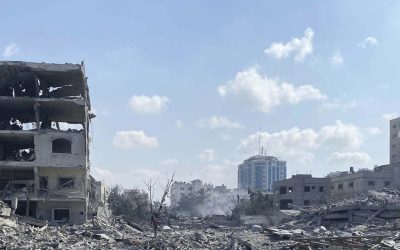
Palestine: the genocide the world stopped watching
Palestine reflects the modern world, revealing an imperial system willing to sacrifice entire populations in defence of power, profit, and domination.
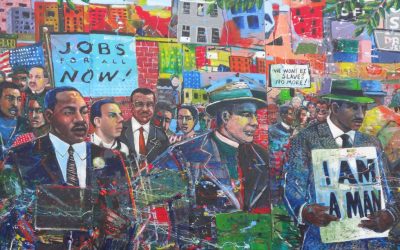
The 1976 uprising and its enduring significance
The youth of 1976 broke the climate of fear that had subdued older generations and placed a premium on collective learning and shared leadership.
The state of the nation’s care economy
The crisis in the care sector goes beyond economics; it is structural. This article argues that increased government spending on care jobs won’t address racial, political, and gender oppression.
War requires defence against mass unemployment and price increases
South Africa’s fractured society is not in any shape to cope with fallouts from the attack on Iran by the US and Israel.
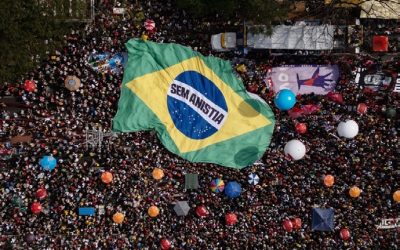
Brazil in the mirror of Latin America
Brazil today is shaped by a contest that pits different sectors and social classes against each other, reflecting the broader international conflict.
COP30: isolated advances amid major omissions
COP30 laid bare the gap between the severity of the climate crisis and the political will of countries to confront it concretely.
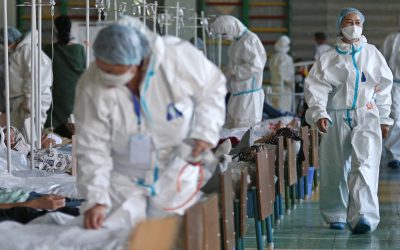
The pandemic accord: new possibilities for public health industrialisation pathways?
The destructive impact of the newly imposed US tariffs and aid cuts on South Africa are undeniable. Nonetheless, pockets of hope for advancing global solidarity and a more just global economy remain.