
For nearly 15 years, the Ingonyama Trust had been converting customary land rights and Permission-to-Occupy (PTO) certificates into residential leases that required residents to pay rent. In 2021, the Pietermaritzburg High Court, in a unanimous judgment, declared it unlawful. The case was brought by the Council for the Advancement of the South African Constitution (CASAC) together with the Rural Women’s Movement (RWM) and a handful of individual applicants. The Court ordered that all monies collected under the lease programme be refunded.
Unlike other land-related judgments that remain dormant, this order has finally resulted in some tangible action. The Ingonyama Trust Board has announced that it will refund over R4 million to affected residents. Approximately 1,600 people have been identified as requiring refunds.
On the surface, this appears to be a positive example of compliance with a court order. But while the order is not being ignored, the way it is being implemented raises serious concerns. Even though the judgment required refunds to be paid, it did not prescribe how those refunds should be administered. It did not establish a framework. It did not require public disclosure of beneficiaries or amounts paid. It did not mandate independent oversight or auditing mechanisms. This silence has created a procedural vacuum. This is concerning, given that the rights being protected are already vulnerable.
Law affirms customary land rights
South Africa has produced progressive land jurisprudence over the past decade. Courts have affirmed the protection of informal land rights and recognised the living nature of customary law. They have confirmed that communities whose tenure is insecure, because of past racially discriminatory laws, are entitled to constitutional protection.
Yet a troubling pattern persists: judgments are handed down, but implementation remains partial or inadequate. The recent refund process initiated by the Ingonyama Trust must be situated within this broader crisis of implementation.
Our courts have confirmed that informal and customary land rights are legally protected property rights.
The Constitutional Court has made it clear that holders of informal land rights under the Interim Protection of Informal Land Rights Act (IPILRA) cannot be deprived of those rights without their consent. The Court has emphasised that consent is required and that mining rights do not automatically extinguish existing informal land rights.
The High Court in the Baleni judgment affirmed that mining may not proceed on communal land where it would deprive communities of their informal land rights, without their consent.
More recently, communities successfully challenged the authorisation granted to Shell to conduct seismic exploration off the Wild Coast. In considering the applicant’s arguments, the Court makes clear that consultation with traditional leaders is not the same as consultation with communities and does not substitute for it. It also considered the cultural and spiritual rights of the relevant communities.
These judgments collectively affirm a clear understanding. Customary and informal land rights are property rights protected by the Constitution. Communities are not passive beneficiaries of administrative discretion; they have rights.
However, the reality on the ground is often not the same as the clarity of judicial pronouncements. Implementation frequently occurs in a narrow and technical manner. Orders are complied with procedurally, but not always in substance. Structural reform and public accountability are left unaddressed.
Residents still waiting for their money
Residents have reportedly been asked to contact the Trust to claim their refunds. This shifts the burden onto rural citizens, many of whom may lack access to information or reliable communication networks. Some affected individuals may have passed away. Others may not even know that they are entitled to refunds.
In the absence of a transparent and publicly accessible process, several critical questions remain unanswered. There is no publicly verified list of beneficiaries. There is no clear indication of how individual refund amounts were calculated, or if they include interest. While the judgment required repayment, it did not address these procedural safeguards.
As a result, compliance is being reduced to a closed administrative exercise that communities cannot meaningfully scrutinise. This is not simply a technical gap in the refund process. It reflects a broader failure to implement the implications of the judgment for the system.
The Court’s ruling not only exposed the unlawfulness of the lease programme; it also highlighted the need for clear, accountable systems for administering and recording land rights. That responsibility lies, in part, with the Minister of Land Reform and Rural Development. In the absence of such systems, processes like the refund programme are left to unfold in an ad hoc and opaque fashion. The broader concern is that this refund programme may replicate a familiar pattern in South Africa’s land reform landscape. Courts articulate strong protections. Institutions comply minimally, and structural issues are left unresolved.
The lease conversion programme fundamentally altered the legal relationship between the Ingonyama Trust and rural residents. Customary rights holders were transformed into tenants. Payments were extracted under an unlawful leasehold programme.
True implementation therefore requires more than financial repayment:
- It requires institutional reform, including the development of a clear and accountable system for land rights administration. This falls within the responsibility of the Minister and the Department; it remains unfulfilled.
- It requires institutional reform to prevent similar tenure distortions from occurring again.
- It requires transparent systems for recording and protecting customary land rights.
- It requires public reporting obligations so that compliance can be independently verified.
Without such measures, the refund process risks addressing the symptom while leaving the structural vulnerability intact.
Systematic change is needed
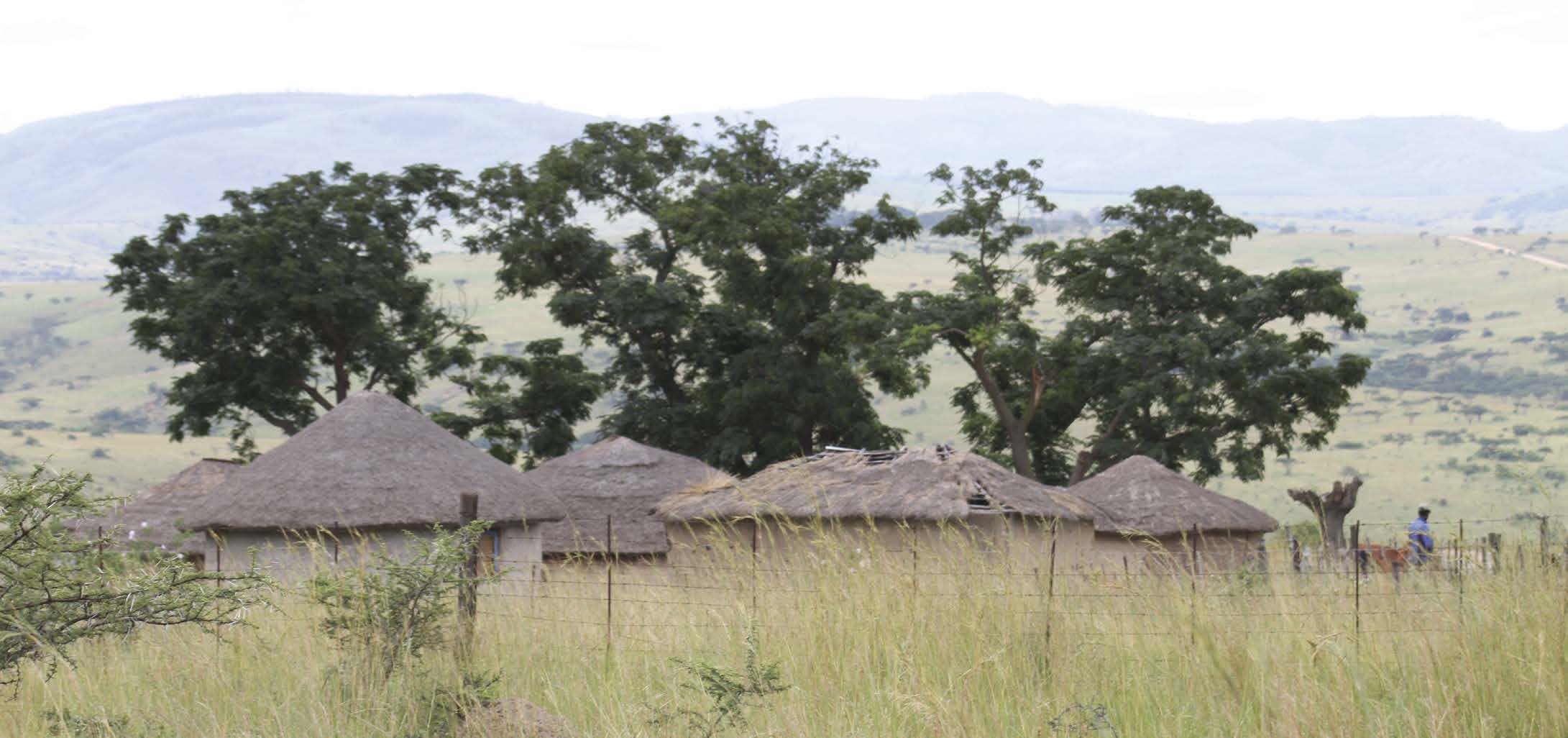
Customary and informal land rights are property rights protected by the Constitution. Communities are not passive beneficiaries of administrative discretion; they have rights. (Photo courtesy of LARC).
The difficulties surrounding implementation are compounded by the continued absence of comprehensive communal land tenure legislation. Since 2017, the Draft Communal Land Tenure Bill has stalled without enactment. The absence of a clear statutory framework leaves communal land governance fragmented. It remains vulnerable to discretionary decision-making by the Ingonyama Trust, traditional leadership, and government officials responsible for administering communal land.
A comprehensive Communal Land Tenure Act needs to establish clear rules for recording rights, regulating conversions, ensuring consent, and mandating transparent administrative procedures. It should also reduce reliance on litigation as the primary mechanism for enforcing constitutional protections. Until such legislation is enacted and operationalised, communities must repeatedly turn to the courts to vindicate rights that should already be secure.
The refund programme is significant because it acknowledges that the Trust’s conduct undermined customary land rights and that money must be returned to those affected. That acknowledgement matters.
But refunds carried out without transparent reporting mechanisms leave communities unable to verify whether justice has truly been done. The deeper question is whether the judgement has been implemented in a manner that strengthens tenure security and public trust. Until court orders dealing with the land rights of rural people are fulfilled in a transparent and accountable way, the gap between constitutional promise and lived reality will persist.
Nokwanda Sihlali is a Research Officer at the Land and Accountability Research Centre.
*Featured Image by GCIS/GovernmentZA, CC BY-ND 2.0